Arctic sea ice hits 2026 minimum, tied for 10th-lowest on record
NASA reports September ice extent of 4.6 million sq km, continuing a two-decade trend of summer lows.
What to know
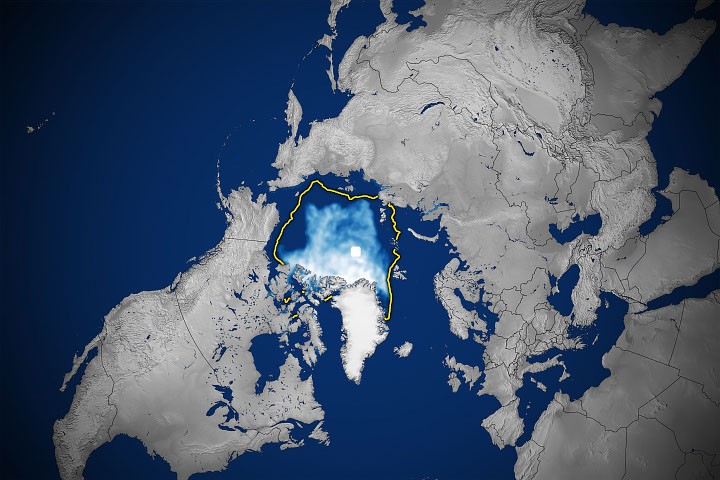
- Arctic sea ice hit its 2026 minimum on September 12 at 4.6 million sq km, the 10th-lowest on the satellite record since 1978.
- All 20 summers from 2007–2026 rank among the 20 lowest September minimums ever recorded; the remaining ice is thinner and younger than decades past.
- The March 2026 maximum tied 2025 for the lowest winter peak on record, showing both annual ice minimums and maximums are declining.
- NASA attributes the long-term decline to both rising global temperatures and natural variability; scientists project an ice-free Arctic could occur once before mid-century.
“Sea ice in 2026 reached its annual minimum extent on September 12, when it covered an estimated 4.6 million square kilometers (1.78 million square miles).”
NASA and NSIDC · NASA Science ↗
NASA Arctic ice monitoring agencyNational Snow and Ice Data Center (NSIDC) Co-analyst of Arctic ice extent
How it unfolded 1 development · click the chart to see its coverage articlesposts
-
1
NASA releases 2026 Arctic sea ice analysis
NASA published updated satellite observations showing that while the September minimum has been relatively steady in recent years, the overall long-term trend shows Arctic sea ice declining at both its annual maximum and minimum. The remaining ice is increasingly younger and thinner, with a decline in multiyear ice that survives melt seasons.
“Natural variability and rising global temperatures have worked together to melt greater amounts of Arctic sea ice.”
— NASA scientists -
first by NASA Science (.gov), 1d ago · also Times of India, NASA
2 more headlines
- Antarctic sea ice reached its third-lowest winter maximum in satellite records; the latest measurement ad The Times of India · 1d ago
- Antarctic sea ice hits third-lowest winter maximum in satellite record Times of India · 1d ago
-
first by NASA Science (.gov), 7d ago · also NASA
-
P
In mid-September 2026, NASA and the National Snow and Ice Data Center (NSIDC) reported Antarctic sea ice reached its annual maximum extent -- the third-lowest maximum on record -- as global warming from #climate change continues to reduce polar ice. science.
2 more of the top 3 · 6 posts in this stretch
-
 P
P
See how science communication gets twisted when an authoritarian regime prevents scientists from talking about what's really happening. NASA is dead. "The Arctic ice extent keeps shrinking! We're not sure why! We sent people to the moon!" # climate https:// science.nasa.gov/earth/earth-o bservatory/arctic-sea-ice-shrinks-to-its-2026-minimum/
-
 C
C
❄ September Arctic daily sea ice reached its annual summer minimum, the 14th-lowest on record, with monthly extent about 10% below average. Daily sea ice extent in Antarctica reached its annual winter maximum, the 3rd-lowest in the satellite record, as reported in the # C3S Climate Bulletin. https:// climate.copernicus.eu/sea-ice-…
-
-
background
Arctic sea ice reaches 2026 annual minimum — Sea ice extent reached its annual low on September 12, covering an estimated 4.6 million square kilometers (1.78 million square miles), according to NASA and NSIDC. This ties 2008, 2010, and 2025 for the 10th-lowest minimum in the satellite record spanning since 1978.
What people are saying 1 voices from 1 site · best of 6 · verbatim
- Yesterday
-
 E
E
https://www. europesays.com/3308562/ Antarctic Sea Ice Grows to Its 2026 Maximum # america # Aqua # EarthObservatory # nimbus # science # SeaIce # technology # UnitedStates # UnitedStatesOfAmerica # US # USA